The Consumer Has Changed. Here Is What the Beverage and CPG Data Actually Shows.
The story the beverage industry told itself for most of the past decade was simple. Consumers were trading up, premiumization was the tide that lifted every boat, and the only brands that lost were the ones that failed to execute.
That story is over.
The data coming out of 2024 is not describing a post-pandemic hangover. It is describing a consumer who has fundamentally changed what they want, how much they are willing to spend, and in many cases whether they want an alcoholic beverage at all.
The premium segment is no longer protected.
The Wine and Spirits Wholesalers of America's SipSource platform reported that combined wine and spirits depletions declined 6.0% in the 12 months through mid-2024. Wine fell 8.0%. Spirits fell 3.9%. More telling than the top line is the price tier breakdown. Spirits priced at $100 and above in on-premise channels fell 12.5%. In off-premise retail, that same tier fell 8.5%.
Affluent consumers do not trade down. That was the assumption built into ten years of brand strategy across the industry. The 2024 data says it no longer holds the way it once did.
Non-alcoholic is not a niche. It is a category.
Sales of non-alcoholic beer, wine, and spirits increased 32% from 2022 to 2023 while total alcohol sales grew just 1%. By early 2024, the top-selling beer at Whole Foods was non-alcoholic.
Whole Foods is not a value channel. Its customers are not trading down. They are actively choosing non-alcoholic products in a premium grocery environment. This growth is not coming from people who cannot drink. It is coming from people who choose not to, at least some of the time.
The brands winning here understood early that the occasion is what consumers are buying, not the alcohol content. Athletic Brewing did not succeed because it made a good non-alcoholic beer. It succeeded because it made a product that fit the same moments regular beer fit, without the consequences.
Gen Z is drinking less, and the reason is not what the industry assumed.
Gallup data from 2023 showed 62% of adults under 35 reported drinking alcohol, down from 72% two decades earlier. The industry's default interpretation was health and wellness. Brown-Forman CEO Lawson Whiting pushed back on that directly, stating he was not buying the health explanation for declining consumption among 21 to 25 year olds. His argument was economic. Consumers entering the workforce for the first time, dealing with inflation across every spending category, simply do not have the disposable income prior generations had at the same age.
That distinction matters enormously. A health-driven decline calls for functional ingredients and wellness positioning. An economics-driven decline calls for a genuinely differentiated value proposition or a product experience compelling enough that the consumer chooses it over other discretionary spending. Those are not the same problem and they do not have the same solution.
Functional is capturing the occasions alcohol is losing.
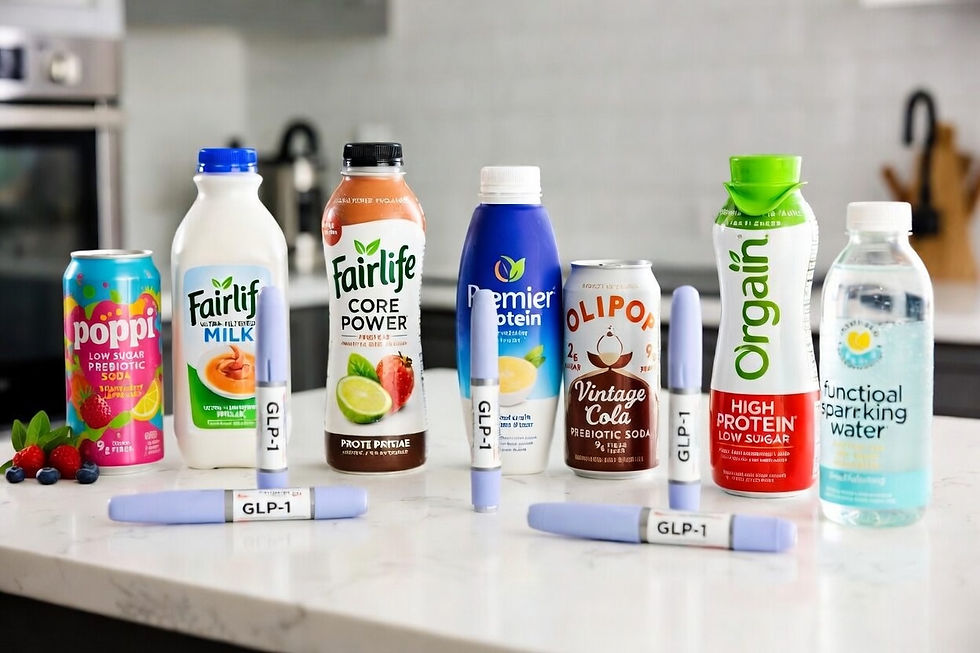
The consumer drinking less is not consuming less overall. They are consuming something else. Functional beverages, energy drinks, prebiotic sodas, and enhanced waters are taking occasions that alcohol previously owned. This is not a substitution trend. It is a structural shift in how consumers think about what a beverage is supposed to do for them.
The founders treating this data as a brief rather than a warning are already making different decisions: different channels, different formats, different occasion strategies, different price architectures. That is the work that separates the brands that will be relevant in three years from the ones that will be looking for an explanation. We work with founders at exactly this stage, when the strategic decisions that determine long-term outcomes still have time to be made correctly.